Blog
Best Large Format Printer for Photographers: A Complete Buying Guide

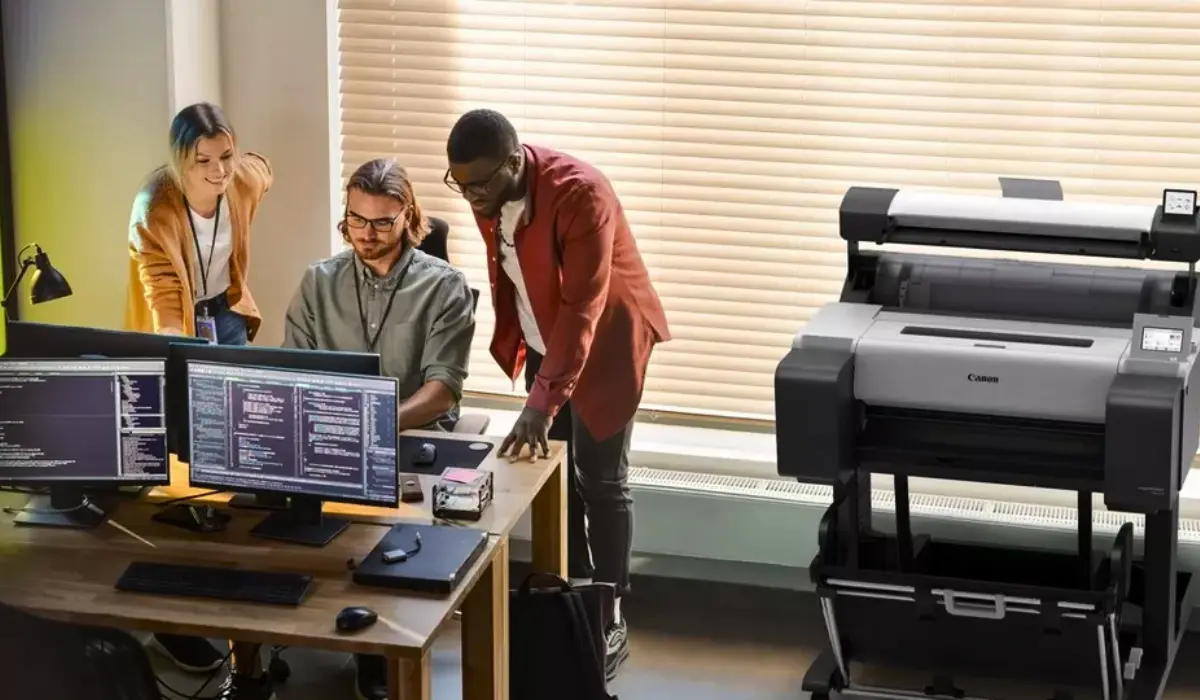
Finding a high-quality, large-format printer is the first step for a photographer who wants to get into print. Once you take your pictures, it takes a lot of skill to turn your digital files into different kinds of print materials that have great detail, colour, and most importantly, capture the emotion and feeling of your pictures. A lot of photographers have figured out that at some point in their careers, the quality of the prints they get from outsourcing has dropped a lot, and that they will feel more confident in their work if they have more creative control than if they just use their own equipment.
Photographers who buy the best large format printer for photographers can choose everything about the final product, from the paper to the tonal balance to the finishing options. Technology has come a long way in a short amount of time. Now, larger and larger format printers can be made that are more reliable, efficient, and affordable than ever before. This guide will talk about what photographers should look for when choosing a printer, how to use those printers as part of their professional workflow, and the benefits of making these investments that will greatly improve both their business and their artistic expression.
Why Photographers Choose Large Format Printing
One of the biggest benefits of large-format printing for photography is its ability to enhance visual storytelling. The larger size of large-format prints allows for finer detail and depth of colour saturation if compared to smaller formats. Large-format printed images create an impactful first impression at Gallery Exhibitions, Portfolio Reviews, and Commercial Projects. Photographers who print their work on a larger scale will have complete control over their own creative process, as they can modify colour, utilise different paper types, and create adjustments immediately. Large format printing creates uniformity over time within a photographer’s portfolio, as well as allowing the photographer to develop their own unique style and identity as an artist.
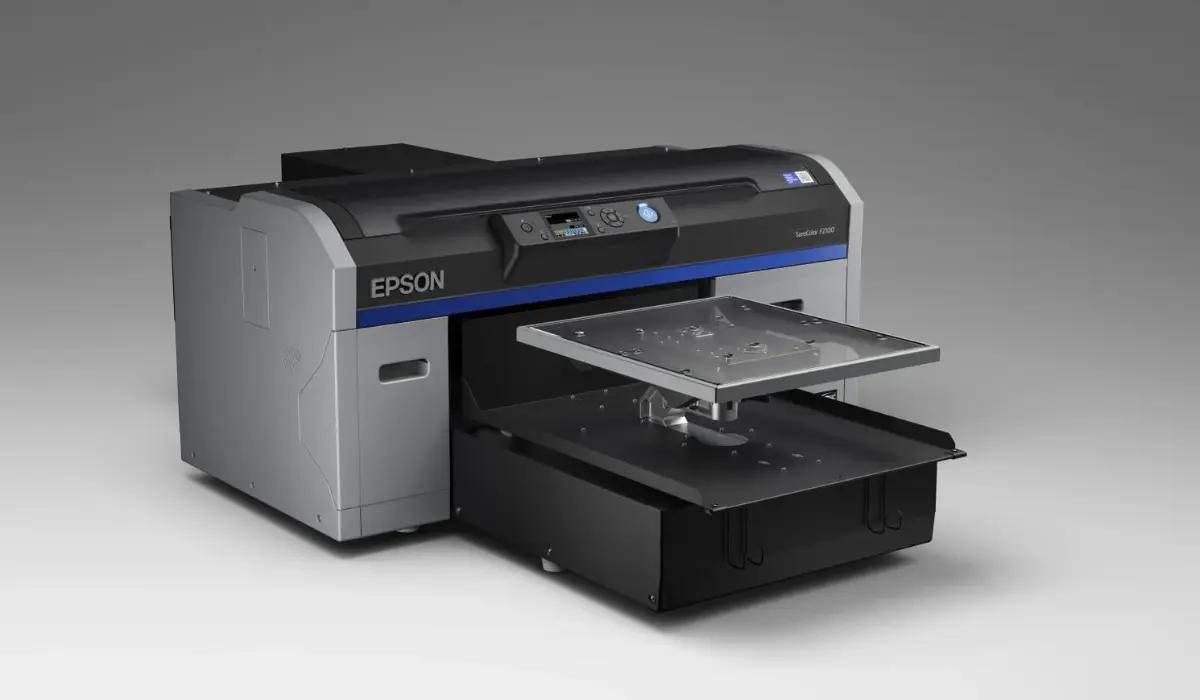
Essential Features to Look for in a Large Format Printer
Maximum Print Size and Resolution
The print width of a printer is very important for photographers. Photographers who work with different types of photography usually prefer printers that can make prints that are between 17 and 44 inches wide. High-resolution prints (300 dpi or higher) make details clear and transitions smooth. This is especially true for landscape, architectural, or fine art photography. Printers that make images clear in big sizes make sure that they have an effect when people look at them up close.
Ink System and Colour Accuracy
Print quality & archival life of a print are directly related to the type of ink system. Most photographers use pigment-based inks due to their colour stability & fade resistance. Printers with an expanded ink set provide improved tonal depth & smoother colour gradients through the use of multiple grey & black inks. Accurate colour reproduction of a photographer’s work allows for accurate representation of their artistic vision and less need for continual adjustments when printing.
Media Handling and Flexibility
Multiple media types supported by a printer (e.g., glossy photo paper, matte finish, fine art paper & canvas) give flexibility for different types of printing from exhibition use to client delivery. Borderless print capability & the ability to print on roll paper provide ease of use & create a more professional finished product.
Performance and Workflow Efficiency
Printing Speed and Reliability
The ability to produce high-quality images quickly is a necessity for photographers balancing many projects at once. When photographers use a dependable, consistent printing system, they reduce the amount of time spent dealing with downtime and workflows being interrupted due to issues relating to the quality of their printed images. Having a printer that has smooth feeding and requires minimal servicing gives photographers the opportunity to concentrate on being creative, rather than trying to troubleshoot technical problems.
Software Compatibility and Connectivity
Most modern large-format printers come equipped with multiple software tools that will assist you in properly managing your colours and correctly setting up your prints. When you use a piece of software like Adobe Photoshop to edit your photographs, it is simple to go from your screen to the printer and your final printed product without any issues. One other advantage of using the latest technology is that most professional photographers now have multiple connection options, whether it be wired or wireless, to their printers.
Understanding the True Cost of Ownership
Ink Consumption and Running Costs
The price of a printer alone does not make it an investment; however, factors such as ink usage, replacement cartridges and maintenance costs will all factor into overall costs over the long run. Thus, choosing a printer that can provide efficient ink usage will help to save on operational costs over time. For example, this would be especially beneficial to photographers who print large quantities of images on a regular basis.
Space and Installation Requirements
When considering the purchase of a large-format printer, space must be taken into account so that it can be properly installed and used by the photographer. In addition to the size of the printer, there is also a need for room to load paper, enable proper airflow and allow for maintenance to be carried out on the printer. If the printer is set up properly, the printer will perform well for a longer period of time.
Who Should Invest in a Large Format Printer
A professional photographer, studio owner or dedicated hobbyist who values print quality and consistency will be best suited to purchasing a large format printer. Investing in a large-format printer is more valuable to photographers who are involved in selling their prints or taking part in exhibitions, or working with clients in the commercial area. In-house printing will provide the photographer with better control of deadlines and quality of their work, and provide them with a greater influence over their creative processes. Many photographers who were once beginners and relied on printing from labs to print their work soon became invested in purchasing their own printers.
Tips for Achieving Professional Print Results
To accurately match colours with monitors and printers, calibration of monitors and printers on a regular basis is necessary. By using high-quality printing papers made for photography printing, both the attractiveness and longevity of the printed image improve. The way that photographers store their inks, paper and media affects their print consistency. Photographers will be able to test and refine their process as well as create prints that will meet their customers’ and gallery’s expectations when testing multiple settings and profiles daily.