Large Format Printers for Fine Art Prints: A Complete Guide for Artists and Studios

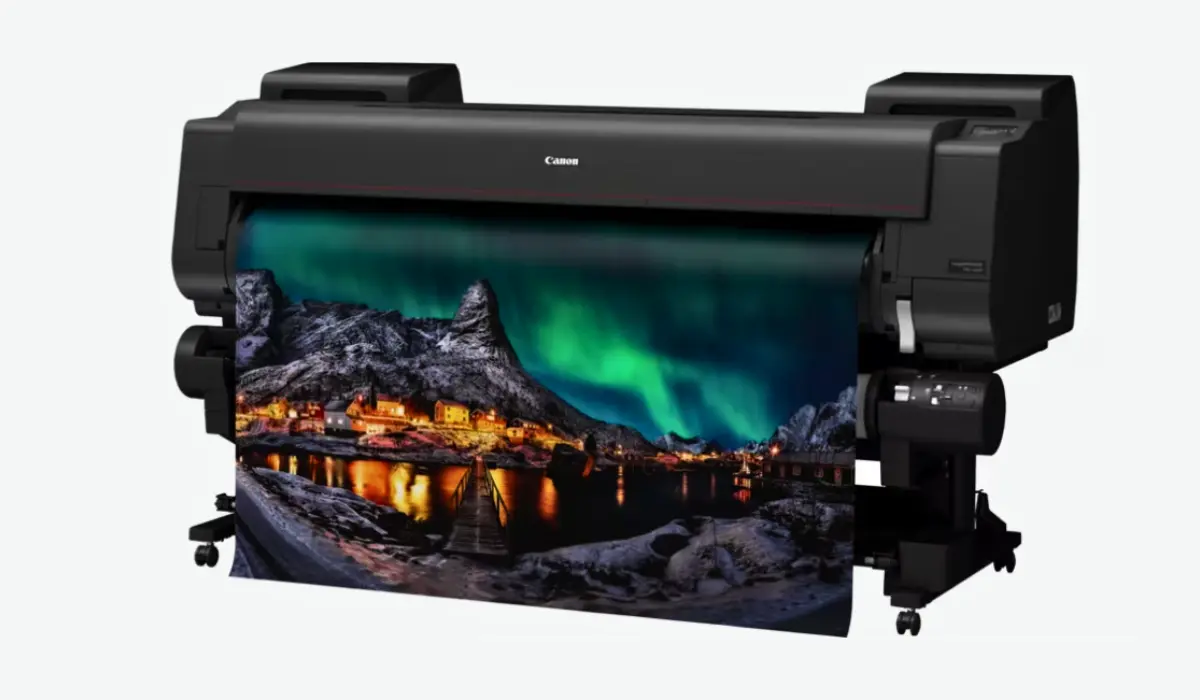
Many factors affect the fine art printing process, other than just size. Precision, depth of colour, and the accurate reproduction of the creative vision are the most important factors. More and more artists, photographers, and galleries are turning to large format printers for fine art prints to produce fine art prints with museum-quality results and consistent accuracy. Large format printers are built to support the use of a wide variety of media sizes and use specialty papers and pigment-based inks that provide stable and durable results without sacrificing the detail and tonal balance of the artwork. When producing gallery exhibitions, limited editions of artwork, or professional photography, the selection of a quality printer will significantly affect the final product.
In addition to providing the artist with creative control, modern large format printers for fine art prints offer a combination of advanced ink technology, intelligent print heads, and colour management software. An understanding of how these products work, which features are most important for you to use, and how various manufacturers approach the fine art printing process will aid you in making an educated buying decision and provide you with the best solution to produce both creative quality and long-term durability.
Why Large Format Printing Matters in Fine Art?
Fine art is characterized by its precision, depth, and emotional expression. Standard desktop printers (like those used for most photographs) cannot always reproduce fine details such as subtle shading and texture or black tones accurately; as a result, they do not provide as much accuracy and quality as large format prints. Large-format printers have the ability to produce higher resolutions, larger colour gamuts, and more accurate ink placements than standard printers, which enables artists to create large-format artworks (i.e., art that is intended to be printed on a large sheet) while preserving all of their clarity and detail.
One additional benefit of a large-format printer is the variety of media available; there are many different types of media, including heavyweight paper or cardstock, canvas, and textured media. A large-format printer offers an artist an opportunity to choose the types or forms of media that will best fit the aesthetic of their wor,k rather than being limited to a specific form.
Key Features to Look for in a Fine Art Printer
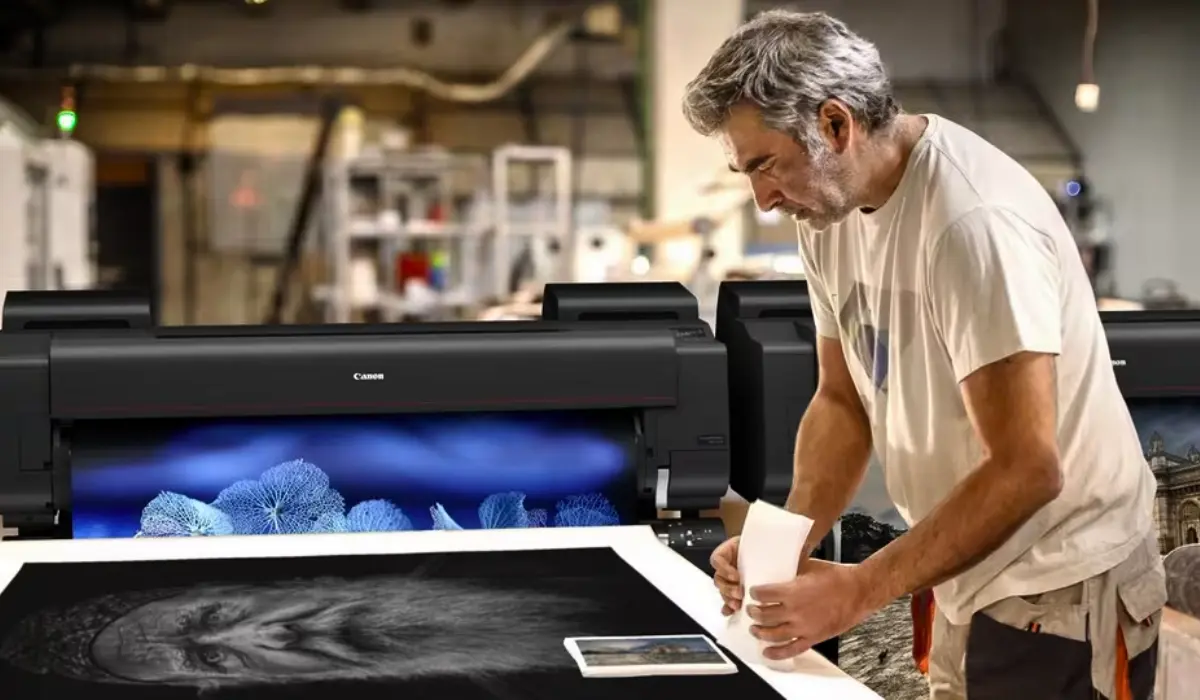
When choosing a fine art printer, the most important things to think about are features that have a direct effect on print quality and how long it will last. Some of the most important features are ink technology, print resolution, and color management systems. The kind of ink used in fine art is very important for getting colors to stay bright and not fade. When you stand too close to a print with high print resolution, you can see the smooth transition of colors and fine details naturally. The built-in color calibration tools help make sure that all prints in a series will have the same level of color accuracy and consistency.
Ink Technology and Color Accuracy
Thanks to improvements in pigment technology, printers can now make a much wider range of colors and tones. This is especially good for black and white photos and any art that has soft tonal changes. Many multi-ink systems come with more than just regular inks. For example, they may have gray or light-colored inks that help with shadow detail and make the transitions between highlights and shadows smoother.
Media Handling and Print Size
Fine art prints usually need thicker or more textured paper than regular printer paper. Many large-format printers come with built-in media handling systems that help keep paper from getting damaged or prints from being out of alignment. These wide-format printer designs also give artists the tools they need to make large-format pieces for display.
Canon Large Format Printers for Fine Art
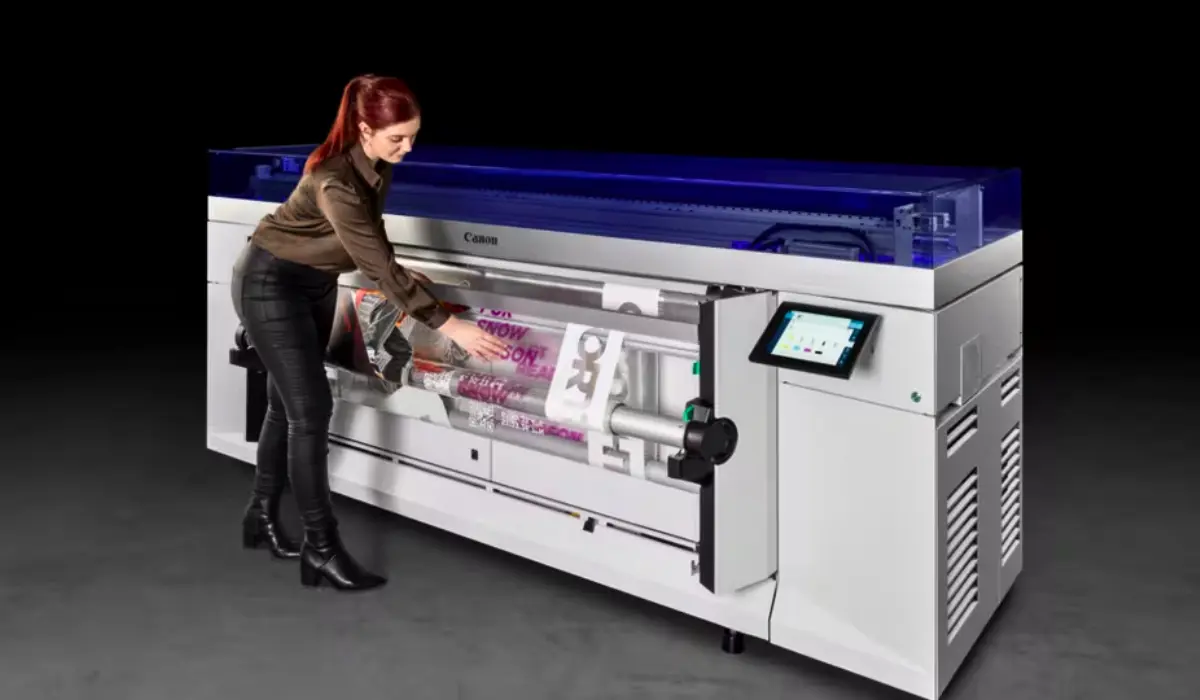
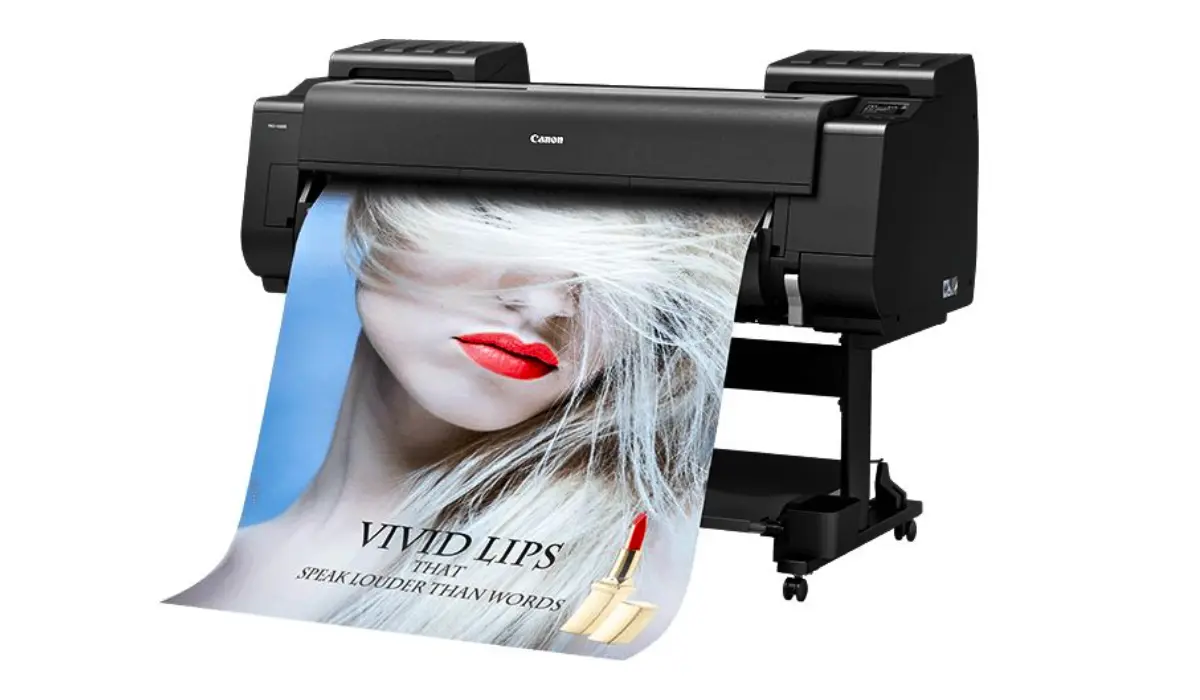
Canon is a leading manufacturer of high-quality Fine Art printers through its imagePROGRAF series. Canon prints on the imagePROGRAF series are well known for their precision in line and gradient, consistent print quality, and durable media.
The Canon printer uses a pigment ink system that provides the artist with an excellent, deep black ink and the ability to produce vivid colours while maintaining the quality of highlight detail. Additionally, a wide variety of Canon printers contain built-in colour management tools that simplify the workflow of professional studio printers. Artists who place a high level of importance on quality output and fine detail will often choose to print their images using a Canon printer to produce their prints for gallery display.
Epson Large Format Printers for Fine Art
Epson is a well-known company that makes the SureColor line of printers. Photographers and fine artists have used the SureColor series of printers mostly because they make great prints and can print on a wide range of media. The Epson SureColor printers use a cutting-edge pigment ink technology that makes images that last a long time and have smooth transitions between tones.
The Epson SureColor printers not only make great prints, but they also come with easy-to-use software that lets artists easily change the color profile and layout of the printed area. Most creative professionals will choose an Epson printer for their Fine Art printing needs because it has both high quality and is easy to use.
Comparing Canon and Epson for Fine Art Printing
Although Canon and Epson provide similar options for fine art printing, the individual user’s needs will help determine which functions as the better product. Canon is generally selected for the printer’s capability of producing strong black density and precision, which are valuable for detailed artwork and technical applications. Epson has many features typically praised as having superior color rendition and versatility with a variety of substrates. Therefore, selecting the best printer for fine art printing depends on the artist’s workflow, the type of media that the artist prefers to produce, and the type of artwork produced.
Best Practices for Fine Art Printing
To get the most out of the printer, every best practice should be followed to protect the imaging capability and image colour accuracy. Properly calibrate the video display of the computer monitor to the exact colours that appear in print. Using media and inks recommended by the manufacturer will help to maintain consistent, dependable prints that will last for many years. Regularly cleaning the print heads and keeping the media paths free of debris will prevent quality problems from occurring over time.
Tips for Long-Lasting Prints
To provide longevity to the prints created on archival-quality paper and pigment inks, the prints should be stored in a climate-controlled environment and kept away from direct sunlight and humidity, in order to provide the maximum longevity of the artwork.
Conclusion
Purchasing the proper printer for your project is one of the most important choices an artist or studio will have to make. Large format printers for fine art prints provide the accuracy, colour fidelity, and media versatility needed for converting digital images into tangible pieces of art that can last for generations. Understanding key features such as ink technology, print quality, and media handling will help you choose the right equipment to meet your artistic objectives. Both Canon and Epson offer a variety of dependable printers that allow you to find one that best fits your artistic style and workflow. Through careful selection, proper installation, and adherence to best printing practices, fine art professionals can achieve consistent high-quality results that elevate their work and create distinction in today’s competitive creative environment.