


Differences Between Inkjet and Laser Large Format Printers for Office Use


Selecting a large-format office printer is no longer determined by print size. As the printing of architectural drawings, marketing posters, CAD files, and presentation graphics increases among offices, the choice of printer becomes more of a strategic one rather than a simple purchase. This increase in complexity has led to a significant increase in the use of both inkjet and laser technology in large-format office printers. Identifying how each system operates with regard to daily workflow will help to minimize costs and maximize productivity. A variety of applications overlap within inkjet and laser large-format office printers. However, print quality, operating costs, maintenance costs, and speed vary significantly between the two technologies used. By clearly and practically understanding the differences between the two technologies, the office will make better printer selection decisions based on the volume of documents printed, the designs printed, and budgetary limits, avoiding unnecessary expenditures, maintaining quality print output, and providing a high-quality finished product.
Understanding Large Format Printing in Offices
The printing of large format can refer to any printer, but large format printers are typically (in the broadest terms) any printer that will print at least one document larger than size A3 through at least A1 (and likely covering size A0 and larger). As a result, large format printers are used to create technical drawings, engineering drawings, signage, and promotional media in an office environment. Large format printers are not like standard office printers. They are built for higher precision, larger size, and more demanding use than desktop office printers. Therefore, many users in an office environment need consistent and reliable output, along with predictable costs to operate. Therefore, when selecting between inkjet and laser technology, it is important to recognize the internal workings and output characteristics of both printers, as they provide two distinctly different performance characteristics and suitability to the user environment.
How Inkjet Large Format Printers Work
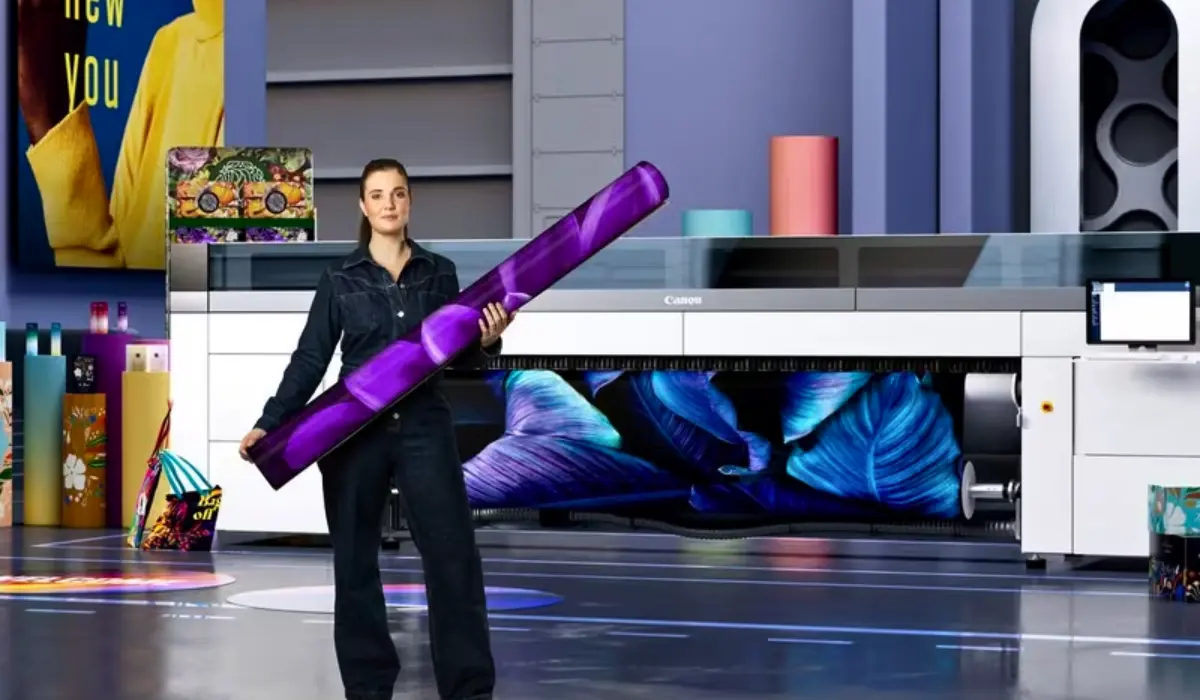
Inkjet large format printers operate by spraying tiny drops of ink onto the print surface. Inkjet printing produces very fine detail as well as smooth colour transitions; therefore, it is the technology of choice for many applications that are heavy with images. Inkjet printers have made substantial technological advancements over the past few years; they are now much faster than before, they have durable pigmented ink (as opposed to dye ink), and they now support improved media handling capabilities. As a result, inkjet printers are often used in the workplace in departments such as design or marketing, where detailed graphics are needed. An additional benefit of the inkjet printer is its flexibility; it can print on many different types of material, including glossy paper, matte paper, canvas, and other specialty materials.
Advantages of Inkjet for Office Use
Inkjet printers possess the most significant benefit of delivering superior printing quality. For example, when printing images, inkjet technology can produce much finer lines and gradients when compared to a laser printer’s output. The accuracy of color is usually better than that of printed on a laser printer’s output and, therefore, makes them very useful for company presentations and materials intended to be seen by a client. Furthermore, another benefit of using inkjet printers is that they are usually less expensive to purchase, making them appealing to small and mid-size companies. Another area where the latest inkjet printer designs improve over earlier designs is their ability to consume less energy than previous models due to not needing to generate heat in the fusing process.
Limitations of Inkjet Technology
With all of the advantages of inkjet technology, there are also a few disadvantages to using it. The primary disadvantage is that in a high-volume printing environment, it can become very costly to keep replacing the ink cartridges or tanks that are used with the printer. Although print speed has improved over the years, it still may be slower on an inkjet printer compared to a laser printer for the printing of large quantities of text-based pages. Finally, moisture can damage the printed ink from the inkjet printer unless coated media or specially formulated inks are utilized.
How Laser Large Format Printers Work
The process for printing large format on most laser printers is much different than that of an inkjet. Laser printers will use toner powder, which is attracted to paper through static electricity and is then fused to the paper with heat created by a heated drum called a fuser. The end result of this process is a print that is long lasting and will not smear or smudge due to moisture. Laser Printers are used in the workplace for their high speed and efficiency when printing monochrome documents and text. When there are many daily print jobs of large quantities of technical drawings or documentation in an office setting, the reliability and consistency of the printed output from laser printers is often what gives them the most value to businesses.
Advantages of Laser for Office Use
Speed and productivity are among the greatest strengths of the laser printer. Large print jobs can be completed quickly without sacrificing the quality of the prints. And with toner cartridges lasting much longer than ink cartridges, the cost of toner may add to the overall lifespan of laser printers. Additionally, laser prints are less susceptible to smudging and the elements than inkjet prints, which makes them a good choice for items that will see regular handling or storage.
Limitations of Laser Technology
While the purchase price of laser large format printers will generally be higher than that of inkjet printers, the cost of the consumables required (toner) will generally be lower than that of ink. While laser printers are very capable, they do have limitations on the media types they can print on, as they tend to be somewhat limited to a narrow range of paper weights and finishes. Also, color laser printing may lack the same photographic quality and color depth of the equivalent inkjet printer, which could be an issue if the work produced is for creative or marketing purposes.
Key Differences for Office Decision Making
When comparing inkjet and laser large format printers, offices should focus on usage patterns rather than brand or appearance. Inkjet printers are better suited for environments where visual quality and media flexibility are priorities. Laser printers, on the other hand, are ideal for high-volume, text-focused workflows that demand speed and durability. Maintenance also differs, as inkjet systems require regular ink management while laser systems involve toner and drum replacements. Energy consumption, noise levels, and space requirements may also influence the final decision, especially in compact office settings.
Cost Efficiency and Long-Term Value
Cost analysis for office equipment extends beyond the initial purchase price point. Although inkjet printers may be less expensive at the point of sale, the cost of ink can add up quickly based on usage levels. On the other hand, although laser printers may be more expensive at the point of sale, they provide predictable future costs due to low toner use per print. Therefore, an office’s print volume, color usage, and expected lifespan of documents should all be factored into determining which printing technology will continue to provide greater value over time. Evaluating the data properly will not only help prevent overspending but also allow the purchase to match the office’s operational objectives.
Conclusion
When it comes to choosing large format printers, finding the printer that best meets your office’s requirements, as opposed to the printer with the highest technology available, is where to focus your efforts. Inkjet printers and laser printers each offer many advantages; however, they tend to work best for different types of business processes and documents. For example, if you increased the color accuracy and designed for flexibility through the use of numerous types of media, then inkjet printers would probably be more appropriate for your office.
On the other hand, if you’re looking for faster output speeds and more durable prints, then a laser printer would be a better fit for your business. Therefore, having a clear understanding of these technologies will help a decision-maker to choose wisely and help improve productivity while maintaining quality. To that end, by determining the volume of prints and types of documents produced and factoring in the ongoing costs associated with each technology, businesses should feel comfortable selecting between the inkjet or laser printer that will support their current day-to-day operations as well as future expansion cost-effectively.
